“We’re all just scattered, lonely specks out here, unless we try to be more. We shouldn’t be brutal just because the universe is.”
Sisters of the Vast Black by Lina Rather (first in the Our Lady of Endless Worlds duology) is a novella about an order of nuns traveling through outerspace in a “liveship” (a giant slug bred to be able to transport people within inner chambers and survive vacuum) manages to include SO MUCH MORE than you would expect from a story of this length!
We get to know each of the sisters aboard the Our Lady of Impossible Constellations as they perform consecrations, marriages, baptisms, and funeral rites for various colonies and stations scattered among the stars. We learn about the debilitating war that broke out when Earth resisted losing control of its children that left and spread across the universe. The convent is chagrined as Earth attempts to use them in its renewed bid to bring everyone under a centralized system once again.
And yet, she also knew her history. Religion was a useful arm of the state, often enough. What better way to crush resistance than to own the souls of the people? What better way to spread your government than to tie it to the name of God?
When their liveship receives a distress signal from a new colony, the sisters must decide how best to keep their vows: through obedience to the planet-bound Vatican that does not understand the flexibility required to survive in the vastness of space, or by offering aid and comfort to those most desperate for it.
Some of the feel of this story reminded me a bit of the parts that I liked about the cozy nature of The Long Way to a Small, Angry Planet (a book that otherwise didn’t 100% appeal to me as a reader), and parts of it (the parts having to do with the biology of the space-faring slugs as vehicles of transport) were delightfully sciency. But overall, it was the characters confronting issues regarding ethics, morals, and personal fulfillment that drove this intriguing story.
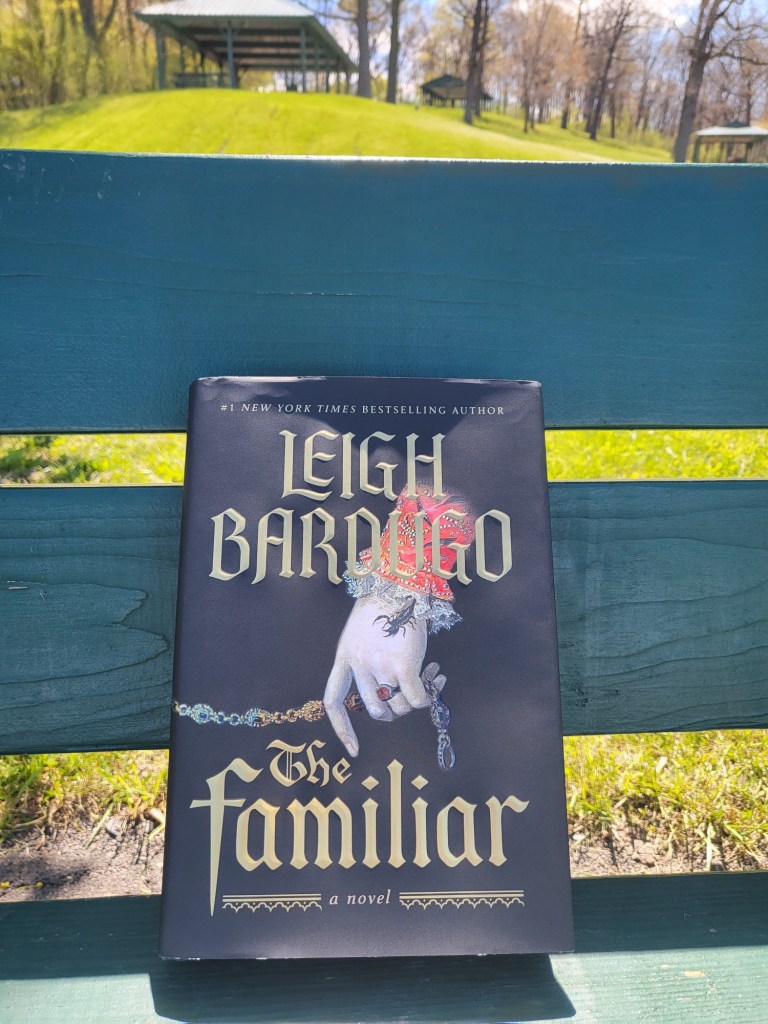
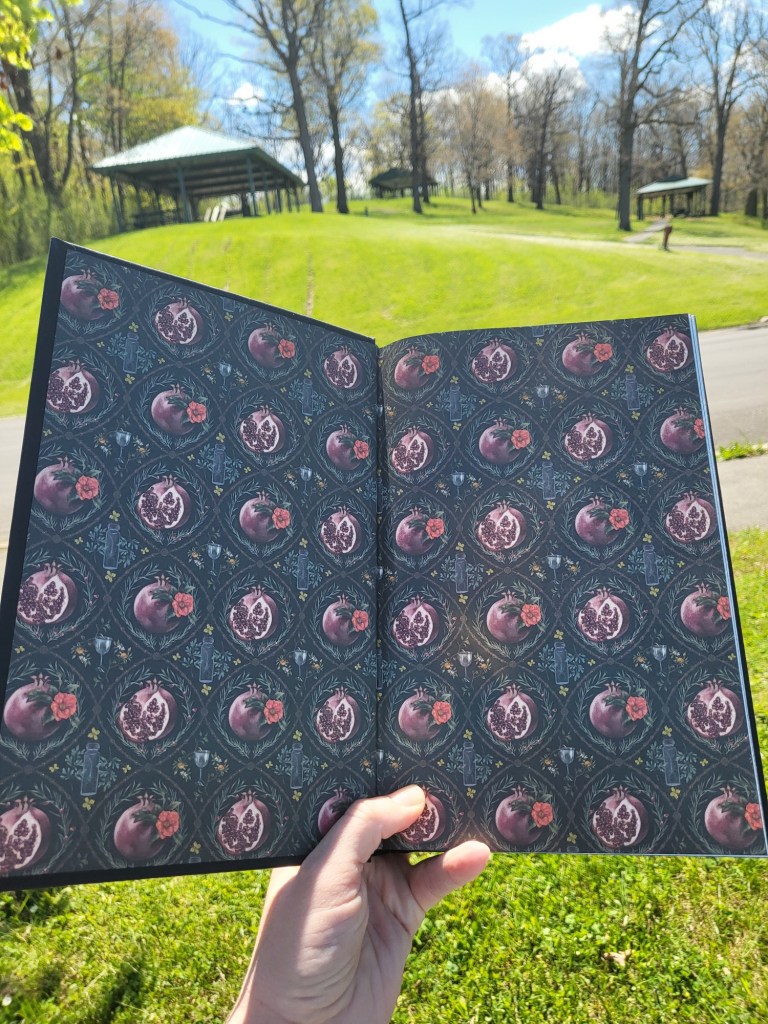
This gorgeous book, The Familiar by Leigh Bardugo (author of Six of Crows and Ninth House, among others) is a 387 page standalone adult historical fantasy novel set in sixteenth century Spain.
The opening line:
If the bread hadn’t burned, this would be a very different story.
When Luzia’s employers discover that their scullion can work small magics, “miracles”, she finds attention drawn to her from all sorts of corners. She fears catching the notice of the Inquisition for multiple reasons, but the flames of her ambition are stoked by the opportunity to compete for a place in the king’s service. Her patron’s familiar, a man made immortal through an ill-gotten bargain, is tasked with teaching her how best to wield and control her powers.
I very much liked the romance in this book, unexpected at it was to the characters involved–but the story was about so much more than that and the magic. It was about class, political machinations, being a Jew in a land that would never trust you, and more. There is one particular side character whose journey and personal growth was quite lovely. 4.5 stars, rounded up!
All that being said, I feel as though some die-hard fans of Bardugo’s YA books, or maybe even Ninth House and Hell Bent, will be disappointed in this one. It is a “quieter” book– there is some showy stuff, but it’s more about the feels and reflection on some serious topics. Which is typically more my jam.
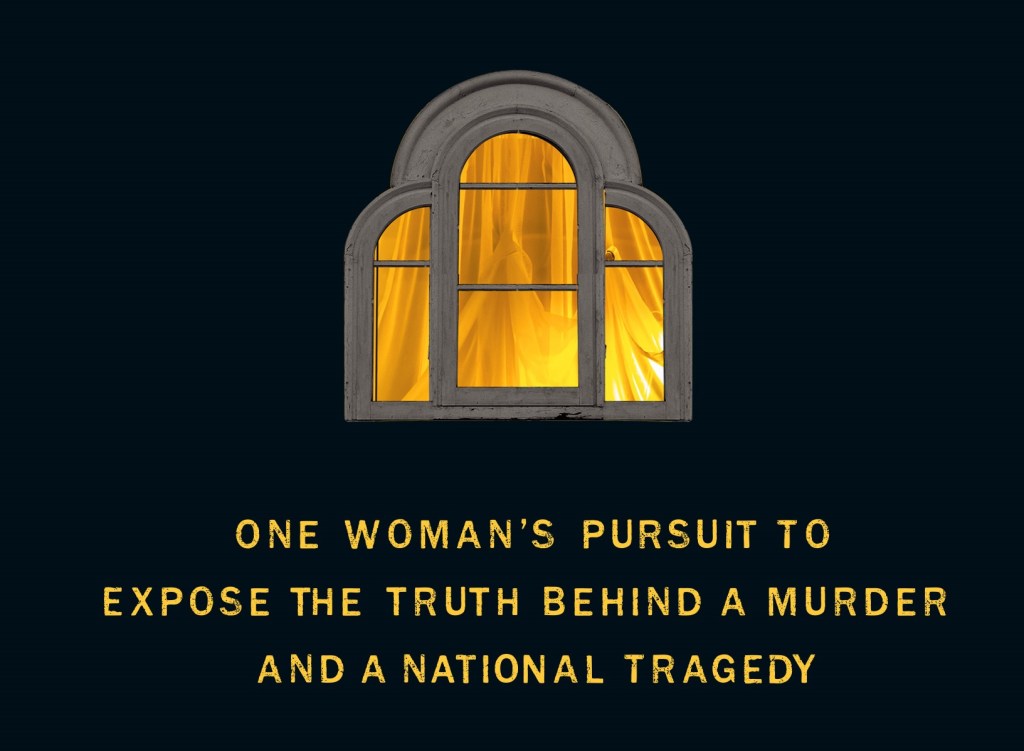
Of the books I read in the month of April, only The Hunter by Tana French appears to have differing cover designs. Both are fine, but the burning tree image on the UK edition takes the dub this time around.
As for the opening lines of the books I read over the last month, have a gander at these:
Her text came in just before midnight.
The Bad Ones by Melissa Albert
There was a dead girl in my aunt’s bakery.
A Wizard’s Guide to Defensive Baking by T. Kingfisher
Though there’s an industry built on telling you otherwise, there are few real joys to middle age.
Calypso by David Sedaris
At dusk sixteen-year-old Margaret Murphy sits down at a narrow rickety desk inroom 127 at Little Ida’s Motor Lodge, eleven miles east of Niagara Falls, and begins to write her confession.
Poor Deer by Clare Oshetsky
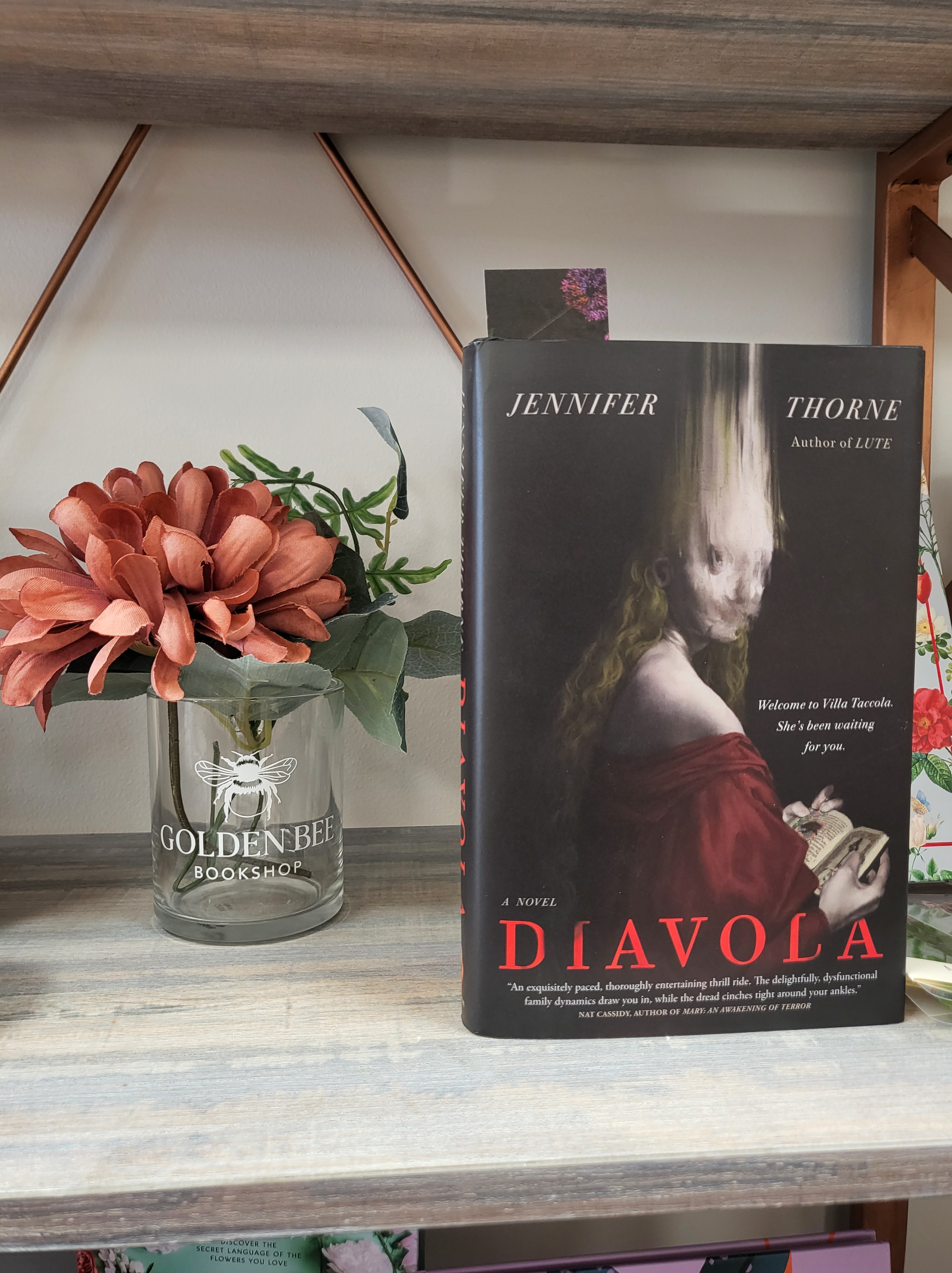
Anna kicked off the annual Pace family vacation with a lie.
Diavola by Jennifer Thorne
Trey comes over the mountain carrying a broken chair.
The Hunter by Tana French
We must, by law, keep a record of the innocents we kill.
Scythe by Neal Shusterman
“We could just push them out of windows,” says Leonie.
Cut & Thirst by Margaret Atwood
The Bad One‘s opening line itself doesn’t do much for this reader, but is followed immediately by what that text message was, which is more of a hook.
A dead person in an unexpected place is always intriguing, but the first line of A Wizard’s Guide to Defensive Baking also lets you know from the get go that the story will be equally dark, cozy, and amusing – an interesting mix!
The David Sedaris memoir likewise begins in a way that advertises the humorous nature of the book.
The opening of Poor Deer is great, setting the scene and immediately having the reader want to know more about what a sixteen year old could possibly be confessing.
Diavola starts right off divulging that it is a story about a vacation involving toxic family dynamics. The supernatural elements get introduced later, with the setting of Villa Taccola.
The first line of The Hunter, in my opinion, is very lackluster. It does nothing for me other than have me say, “Oh, Trey – I remember that character from The Searcher.”
Scythe pulls readers in from the beginning by getting them to wonder why innocents are being killed in a way that requires a record.
The opening line of Cut & Thirst also broadcasts the comical nature of the story, with someone genuinely suggesting defenestration. Now the reader wants to know who might wind up being pushed out of windows, and why.
Overall, this was a pretty good reading month for me. So far I am having success meeting my 2024 goal of reading books that are a better fit for me so that my average star rating at the end of the year will be higher. Even the books here that I didn’t love received no less than 3 stars from me. Not too shabby!
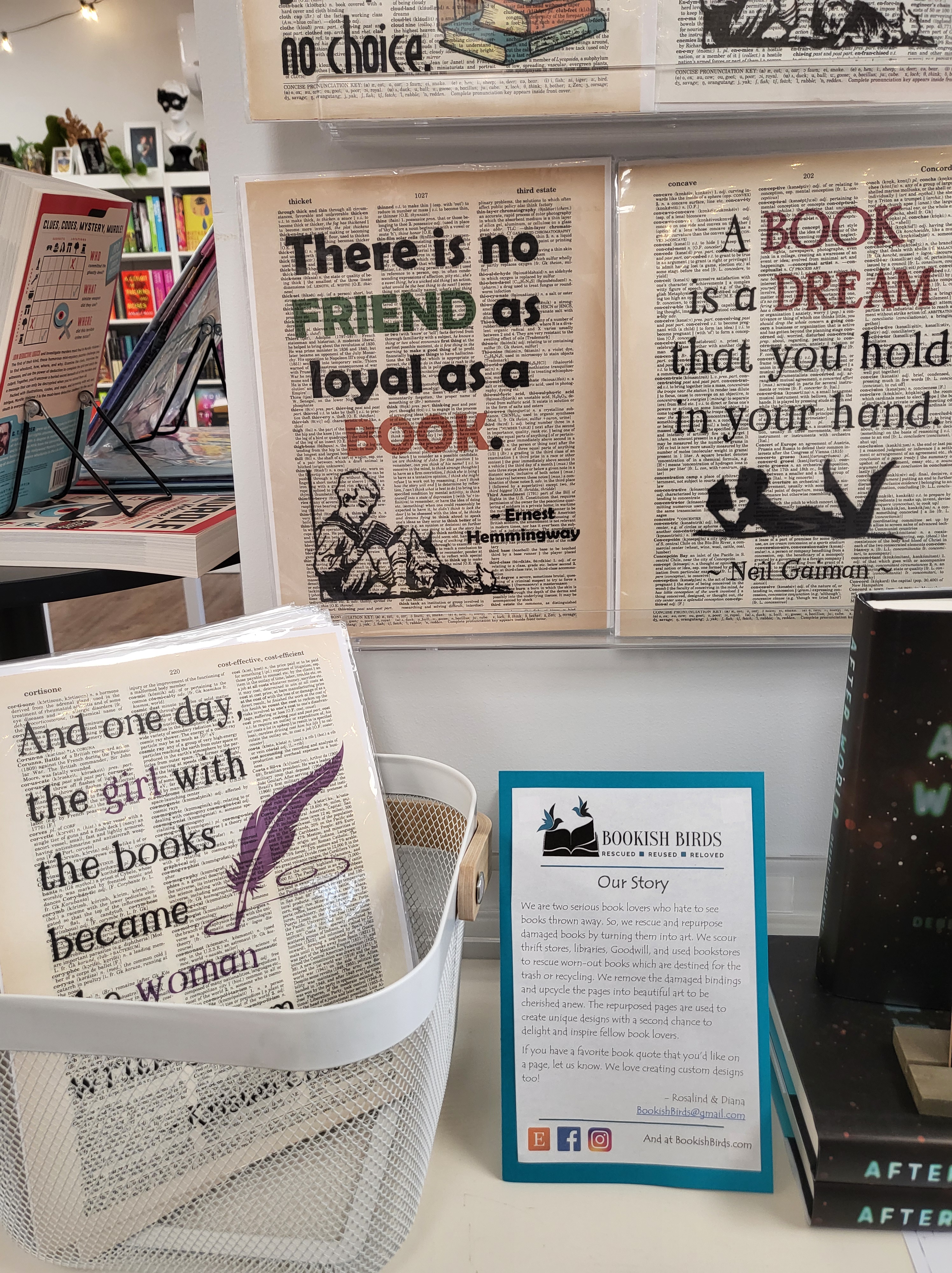
Art by Bookish Birds, on sale display at Golden Bee Bookshop in Liverpool, NY
It has occurred to me that it might be interesting to do a little deep dive on the opening lines of books I read. At the end of the month maybe I’ll publish a post about this for books I read in April, but for now, let’s see about all of the others I have read so far this year. Here we go!
January’s books:
The lightning seeded the fog with a fire that churned like a restless embryo.
The Fall of Babel by Josiah Bancroft
I dream sometimes about a house I’ve never seen.
Starling House by Alix E. Harrow
Since I barely venture outside these days, I spend a lot of time in one of the armchairs, rereading the books.
I Who Have Never Known Men by Jacqueline Harpman
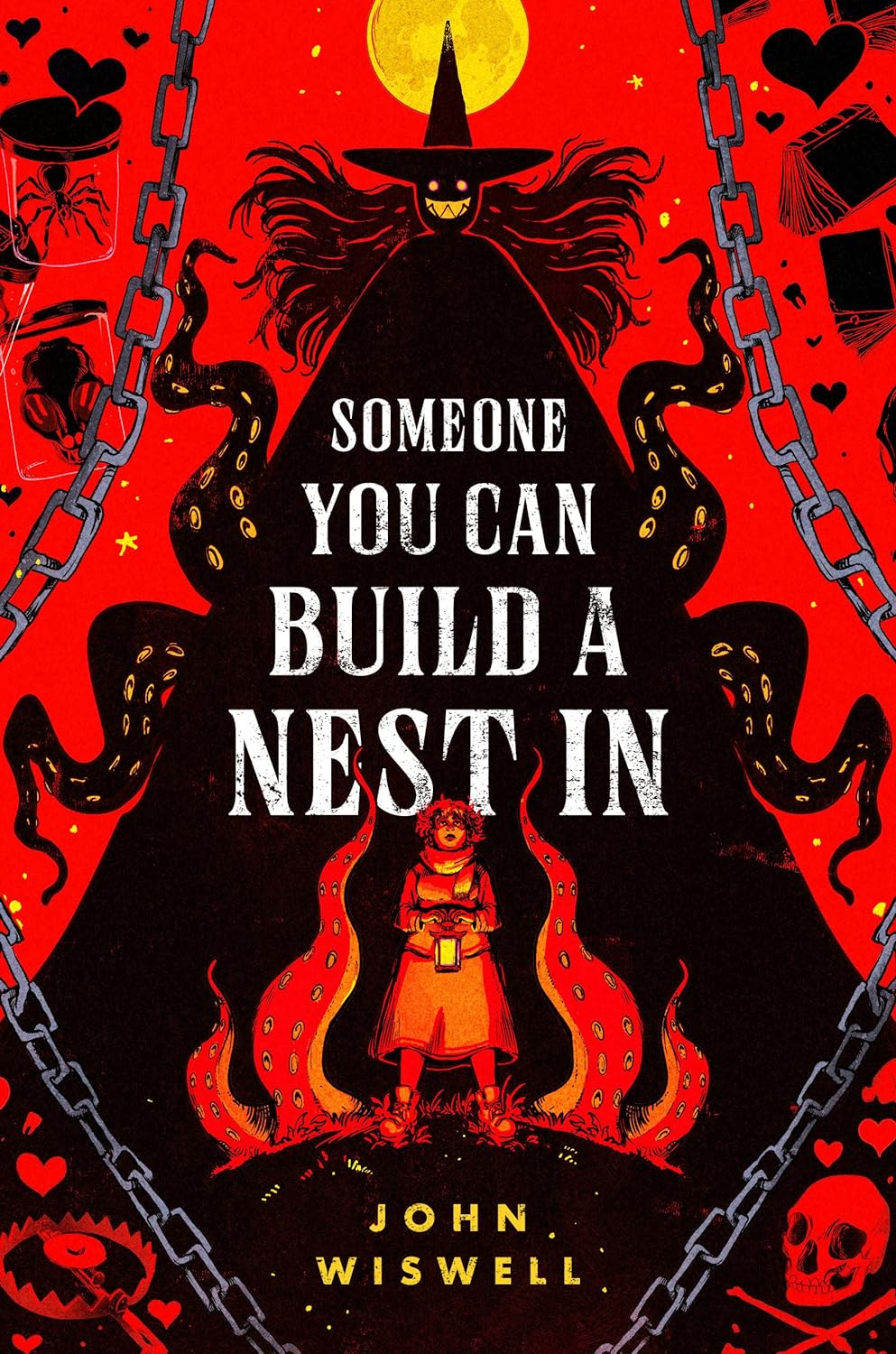
Each year when Shesheshen hibernated, she dreamed of her childhood nest.
Someone You Can Build a Nest In by John Wiswell
Alferes Antonio Sonoro was born with gold in his eyes.
The Bullet Swallower by Elizabeth Gonzalez James
I love being asked to join, so much so that I will say yes to an invitation without knowing exactly what I’ve agreed to.
Sure, I’ll Join Your Cult by Maria Bamford
The body floats downstream.
The Frozen River by Ariel Lawhon
Alright, let’s share our notes about these opening lines from the books I read in January!
I greatly enjoyed The Books of Babel, but that first line from the final book is just, like…wut? It must be especially confusing to someone not familiar with the series, as they wouldn’t already be aware of the lightning and the fog to which this line is referring.
As for Starling House, dreaming about a house you’ve never seen catches the reader’s interest right away. What’s the story there? I Who Have Never Known Men‘s opener is less of a hook, but it does make you wonder why there is only a limited number of books if the narrator is rereading “the” books.
When it comes to Someone You Can Build a Nest In, everything about this monster romance is wonderfully unique, and starting off by introducing a main character who hibernates and grew up in a nest is about as intriguing as it comes! This one takes first prize from me for the January books.
The Bullet Swallower‘s first line is okay, but really requires another line or two to explain what exactly it means. The beginning of comedian Maria Bamford’s memoir is both funny and informative about what you can expect the book to be about.
The opening line of The Frozen River, which I admittedly DNFed (although it has gotten a lot of love from many readers), comes across as kind of uninspired to me, but at least the fact that there is a body involved, one floating in a river no less, might hook you.
February’s books:
“Your future contains dry bones.”
How to Solve Your Own Murder by Kristen Perrin
On the eve of Mad Purdy’s first class at Elmswood Public Library, all the leaves on the trees turned red over night.
The Parliament by Aime Pokwatka
On Sunday, September 11, 2011, three men were murdered in a second-floor apartment on a dead-end street in Waltham, Massachussetts.
The Waltham Murders by Susan Clare Zalkind
Being a serial killer who kills serial killers is a great hobby…
Butcher & Blackbird by Brynne Weaver
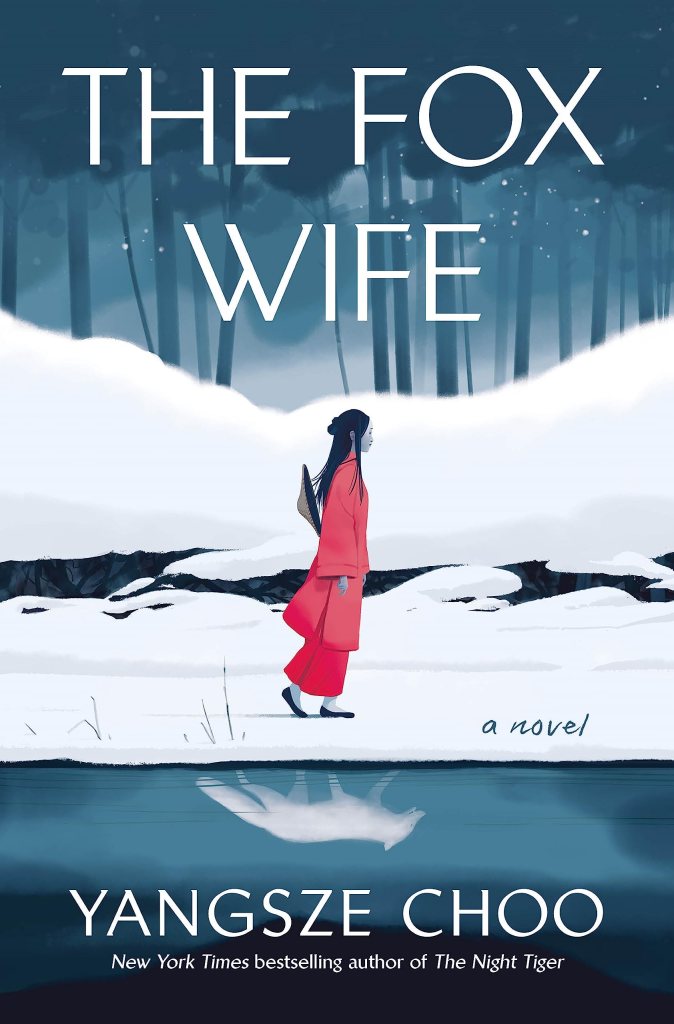
Perhaps you know this story: Late one evening, a beautiful woman comes knocking on an unsuspecting scholar’s door.
The Fox Wife by Yangsze Choo
So personally I find the opener for How to Solve Your Own Murder to be kind of “meh”, but if you read on you learn that this line was part of a fortune told to a young woman who believed wholeheartedly in her foretold doom. The opening line of The Parliament is just “meh” with no further qualifiers. It gives us a setting, sure, but that’s it.
The Waltham Murders is nonfiction, and the first line is about as attention-grabbing as they come. Butcher & Blackbird starts by letting you know the premise of the book in an amusing way, setting readers up for what to expect. But I think The Fox Wife has the best opening line of any of the novels I read in the month of February.
March’s books:
In an old wardrobe a djinn sits weeping.
The Djinn Waits a Hundred Years by Shubnum Khan
A poet once wrote that the woods of Gallacia are as deep and dark as God’s sorrow, and while I am usually skeptical of poets,I feel this one may have been onto something.
What Feasts at Night by T. Kingfisher
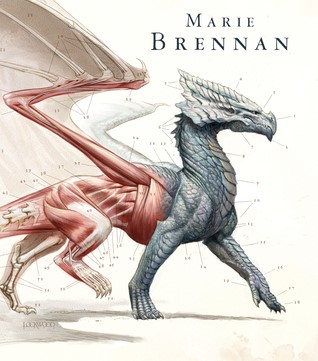
Not a day goes by that post does not bring me at least one letter from a young person (or sometimes one not so young) who wishes to follow in my footsteps and become a dragon naturalist.
A Natural History of Dragons by Marie Brennan
“Hey, Barbara, you got a hanging man in the Three-Four precinct.”
What the Dead Know by Barbara Butcher
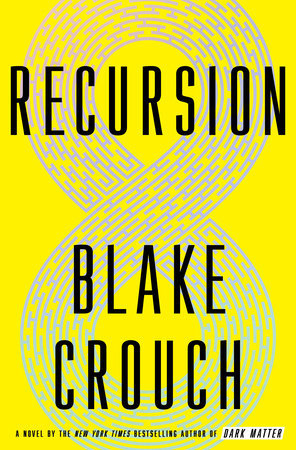
Barry Sutton pulls over into the fire lane at the main entrance of the Poe building, an Art Deco tower glowing white in the illumination of its exterior scones.
Recursion by Blake Crouch
In that time, I was called Brother Kellin of Cambrin, and I was an awful monk.
2024 High Caliber Awards (from the first entry, Mightier than the Pen by Kevin Harris)
The opening line of The Djinn Waits a Hundred Years is great: ooh, a djinn! Why is it weeping in a wardrobe?! The one for What Feasts at Night is also wonderful, really setting the tone; it’s also very “voicey” — this one is my favorite of the whole batch for month of March.
The first line of A Natural History of Dragons is pretty “meh”.
What the Dead Know is nonfiction about working as a death investigator in NYC, so I guess it gets straight to the point by opening with a dead body.
The opener for Recursion does absolutely nothing to grab the reader. But then we’re back in pretty great territory with Mightier than the Pen – amusing, plus now I want to hear more about what makes Kellin an awful monk.
Oooh, there was so much to love about this chilling Gothic ghost story set in Italy!
Anna has long been the black sheep of her family and has prepared for the usual complaints and judgment when she joins them for a trip to Italy. They are staying at a picturesque villa that includes a modern addition built onto the original architecture…and a tower they are instructed to never unlock or enter.
Soon, it becomes clear that there is more than irritating relatives threatening what should be a peaceful vacation.
The setting was wonderful and evocative, and Thorne was able to make me feel like a tourist in Italy myself. Bellissimo!
I liked Anna a lot. She was smart, caring and compassionate to those who deserve it, and answers the insults slugged her way with perfect snark. I enjoyed the fraught interpersonal dynamics at first, but eventually they got on my nerves a bit, when everyone started blaming Anna for things it made no sense to blame her for.
The supernatural elements were deliciously creepy. The stressful family gathering introduced a feeling of tension, which only ratcheted up by increments as evidence of a haunting begin with the sounds of disembodied voices and doors slamming shut of their own accord, working up to Anna and her family being in real and imminent danger.
The pacing in different parts of the book seemed a bit unconventional, but it was quite engaging all throughout. And the story wound up going places I could not have imagined. 4.75 stars from me!
Margaret, alone in the woods, stops screaming. She has just learned that some things are forever, and other things are never-again.
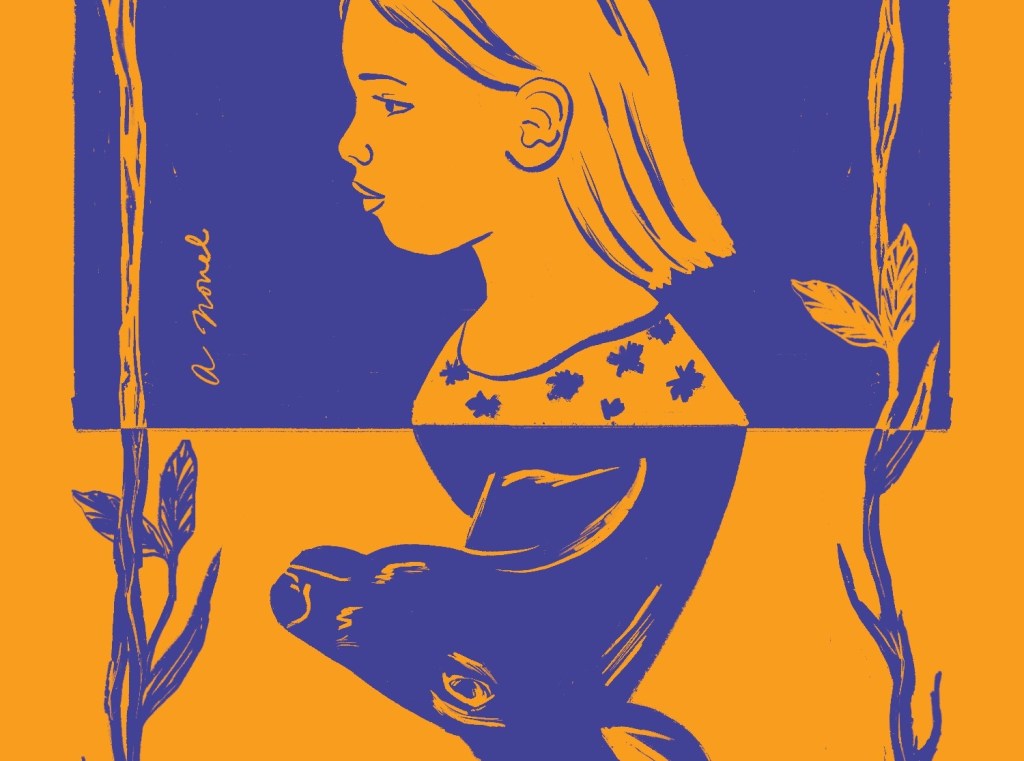
When Margaret is four years old she and her friend Agnes are playing together when events lead to the other girl’s accidental death. Margaret hears adults using the term “poor dear” (to her ears, Poor Deer) a lot, and thus is born the haunting personification (er…deerification?) of a child’s guilt, fear, confusion, and shame.
This was a very sad story. It’s well written, and your heart just breaks for young Margaret. However, I didn’t care for the ending nearly as much as I did the rest of the book. I did like that Margaret was searching for atonement, but the way the author chose to offer her this chance just didn’t really appeal to me. Although I did like how Margaret recognized that she might work toward forgiving herself to heal from her past.
Wow, I couldn’t get enough of this supernatural YA mystery!
Four people go missing during the course of a single night, the only apparent connection among them being that each is either a student or a teacher at Palmetto High School. Nora’s best friend is one of the vanished. But Becca has left clues for Nora, as if she knew she was about to be gone. The clues all lead back to the goddess game, a local childhood tradition based on urban legend. But what if it’s actually more than a game? And what if the thing called goddess is actually something much darker?
I found Nora to be a refreshing main POV character, and in general I appreciate how the author writes teens. I liked the fact that Nora’s friendship with Becca was complicated. I did balk a bit at the style of prose (for example, I recall a line that went something like: “The wind tasted spiky and wild.”) But that didn’t stop me from having great fun reading the story! It’s deliciously spooky, intriguing, mysterious, and emotional, with just a splash of romance. Wonderful!
This is a sapphic romance where the monster falls in love with a woman in a family of monster hunters, told from the POV of the monster. It is GRISLY, full of body horror, but also rather charming and sweet. It tackles so much, including issues in regards to healthy relationships. It touches on autonomy, consent, and working through trauma; love, sexuality (and asexuality), and diverse feelings toward begetting and raising offspring. These things are masterfully woven into a story that is complete with a(n) (anti)hero, truly awful villains, romance, harrowing fights, and many things besides. This book may churn your stomach at times, but it is also guaranteed to warm the cockles of any fantasy-reader’s heart and/or egg sac (that’s a little monster humor there, you’ll have to read the book to be in on the joke.)
I can honestly say I’ve never read anything else quite like this before, and am truly impressed!
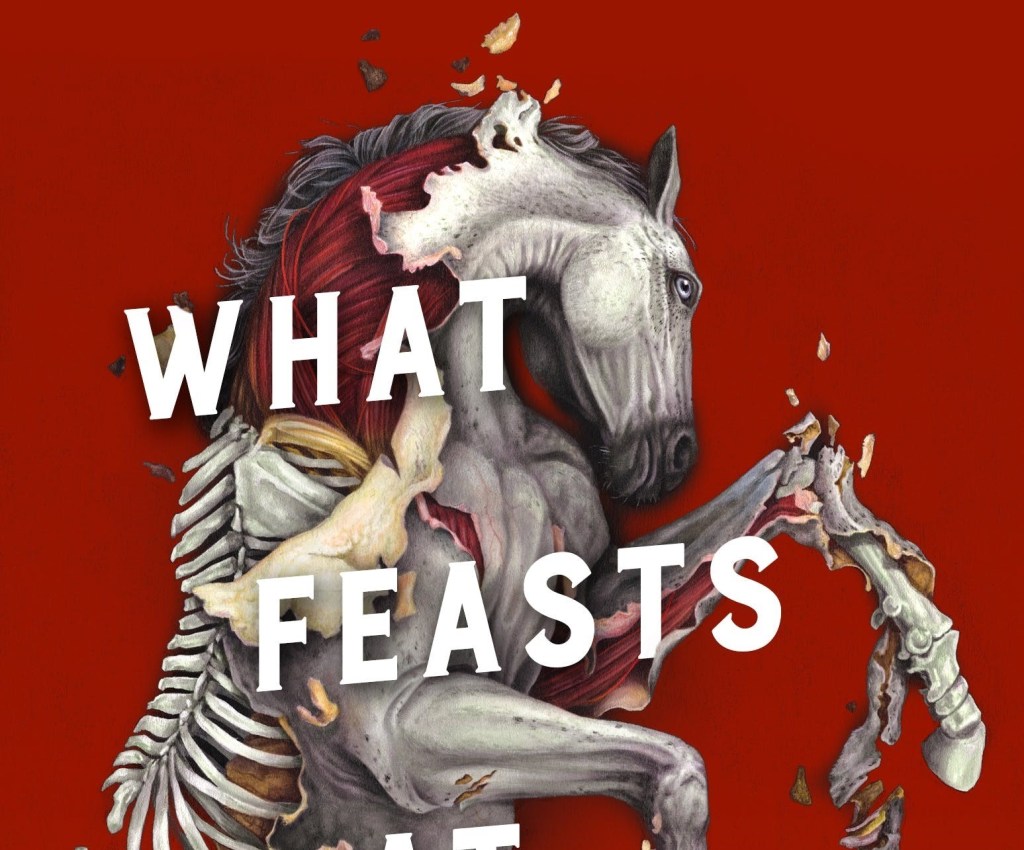
Here are the books that I read in March that have differing book covers. Which ones do you prefer?
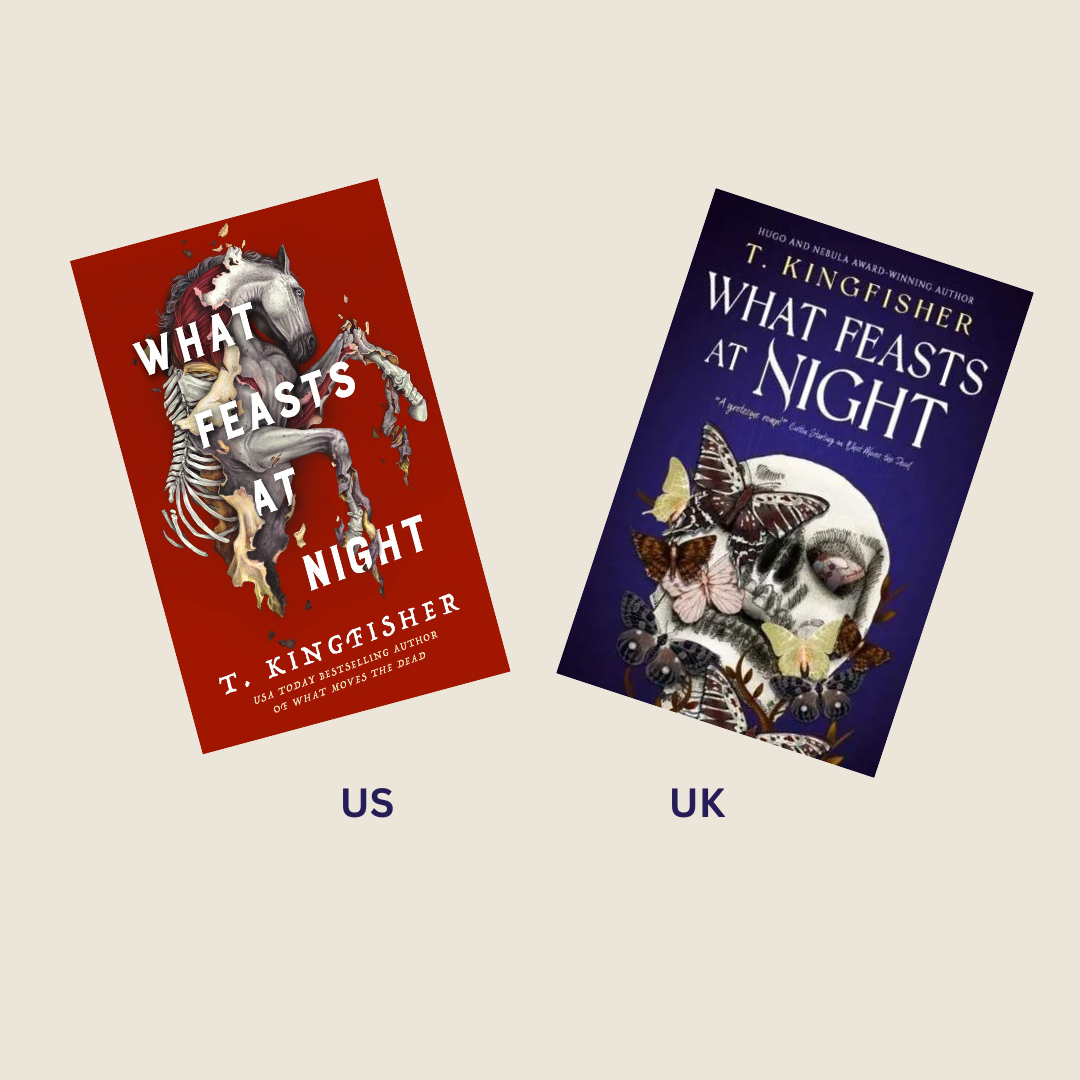
A decaying horse or human skeleton covered in insect and plant life? I can’t choose, both are perfectly horrifying! I suppose I like the font the the UK cover of What Feasts at Night by T. Kingfisher a bit better, if I had to find something off of which to pick a favorite.
I think both of these covers for Blake Crouch’s Recursion are fine, but I’ll go with the US edition this time, because the UK cover makes me think of a spaceship or some other form of alien technology, which is not what it’s meant to do.
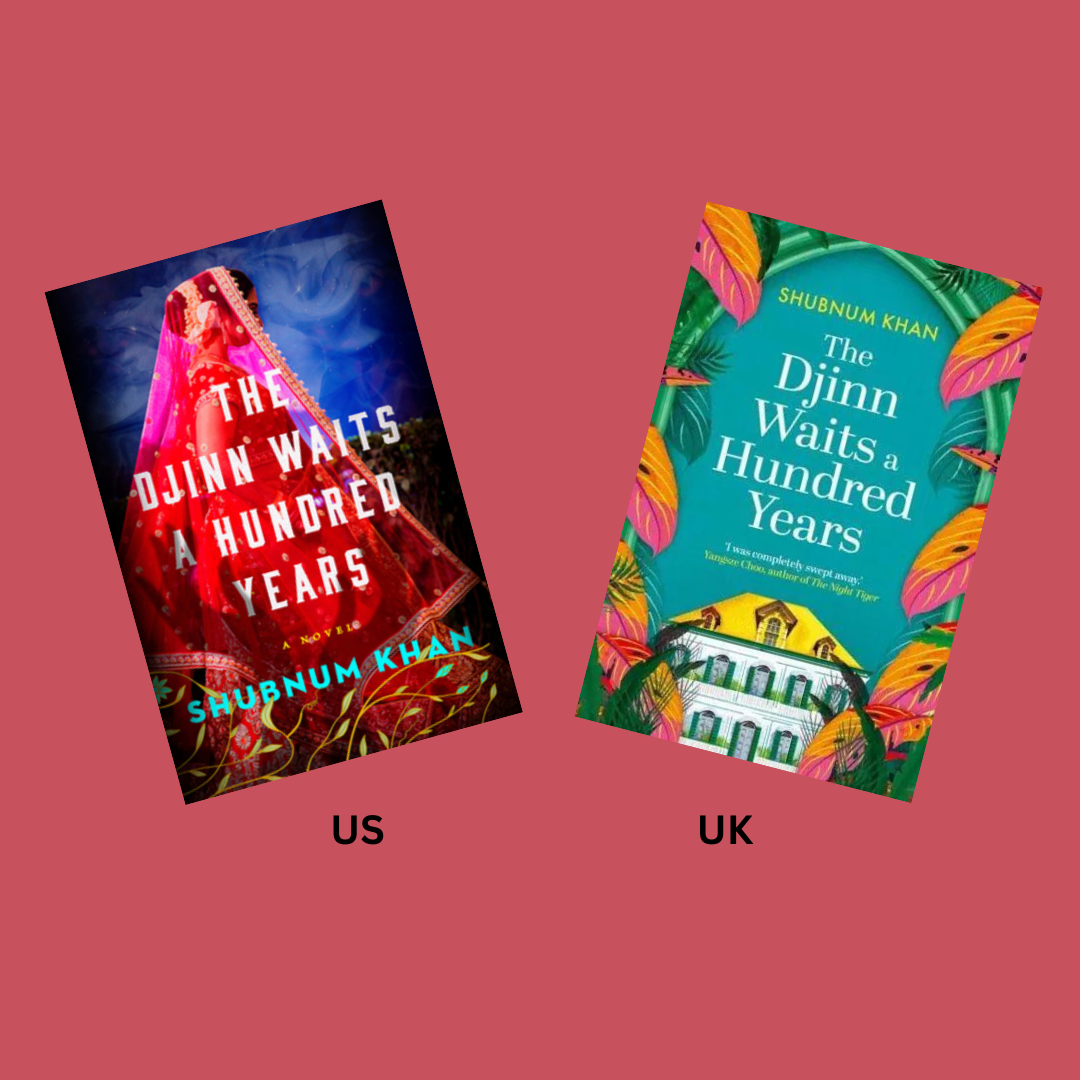
Although the cover image including the manor house might be more fitting, I hands down prefer the US cover of The Djinn Waits a Hundred Years by Shubnum Khan – beautiful color scheme, enticing swirling smoke imagery, mysterious lady in gorgeous apparel, shadowy hands, oh my!
I think the US version of the cover of How to Solve Your Own Murder by Kristen Perrin has a super cute and engaging art style, much more so than the UK version.
I think the cover design of the US version of Martyr! by Kaveh Akbar is unique and interesting, plus I’m just not a fan of the colors used in the UK edition.
So other than the T. Kingfisher Sworn Soldier novella, which was a close call anyway, I guess this month is a big dub for the US of A. What are your thoughts?























 Jessica Crawford