It has occurred to me that it might be interesting to do a little deep dive on the opening lines of books I read. At the end of the month maybe I’ll publish a post about this for books I read in April, but for now, let’s see about all of the others I have read so far this year. Here we go!
January’s books:

The lightning seeded the fog with a fire that churned like a restless embryo.
The Fall of Babel by Josiah Bancroft

I dream sometimes about a house I’ve never seen.
Starling House by Alix E. Harrow

Since I barely venture outside these days, I spend a lot of time in one of the armchairs, rereading the books.
I Who Have Never Known Men by Jacqueline Harpman

Each year when Shesheshen hibernated, she dreamed of her childhood nest.
Someone You Can Build a Nest In by John Wiswell

Alferes Antonio Sonoro was born with gold in his eyes.
The Bullet Swallower by Elizabeth Gonzalez James
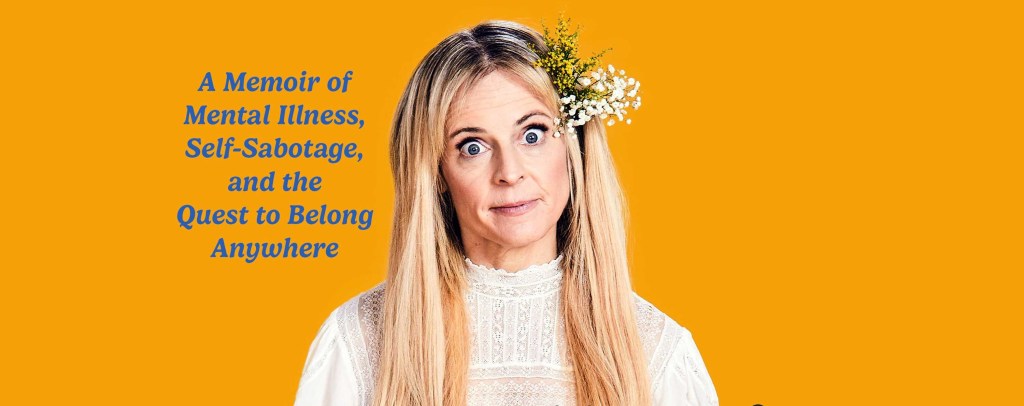
I love being asked to join, so much so that I will say yes to an invitation without knowing exactly what I’ve agreed to.
Sure, I’ll Join Your Cult by Maria Bamford

The body floats downstream.
The Frozen River by Ariel Lawhon
Alright, let’s share our notes about these opening lines from the books I read in January!
I greatly enjoyed The Books of Babel, but that first line from the final book is just, like…wut? It must be especially confusing to someone not familiar with the series, as they wouldn’t already be aware of the lightning and the fog to which this line is referring.
As for Starling House, dreaming about a house you’ve never seen catches the reader’s interest right away. What’s the story there? I Who Have Never Known Men‘s opener is less of a hook, but it does make you wonder why there is only a limited number of books if the narrator is rereading “the” books.
When it comes to Someone You Can Build a Nest In, everything about this monster romance is wonderfully unique, and starting off by introducing a main character who hibernates and grew up in a nest is about as intriguing as it comes! This one takes first prize from me for the January books.
The Bullet Swallower‘s first line is okay, but really requires another line or two to explain what exactly it means. The beginning of comedian Maria Bamford’s memoir is both funny and informative about what you can expect the book to be about.
The opening line of The Frozen River, which I admittedly DNFed (although it has gotten a lot of love from many readers), comes across as kind of uninspired to me, but at least the fact that there is a body involved, one floating in a river no less, might hook you.
February’s books:

“Your future contains dry bones.”
How to Solve Your Own Murder by Kristen Perrin

On the eve of Mad Purdy’s first class at Elmswood Public Library, all the leaves on the trees turned red over night.
The Parliament by Aime Pokwatka
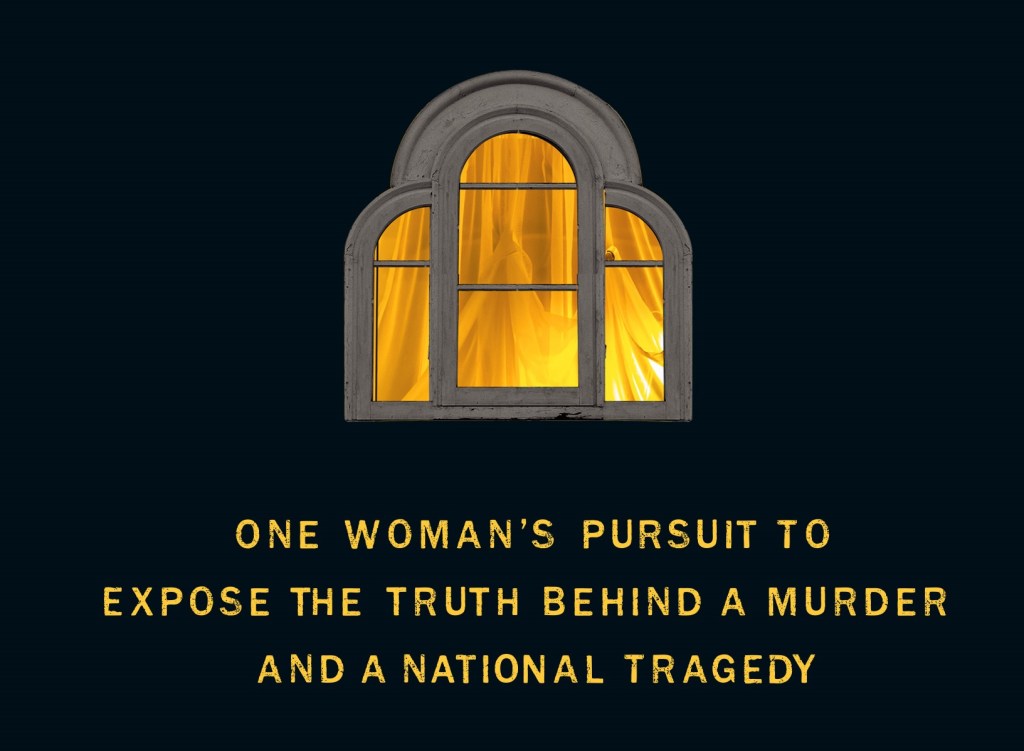
On Sunday, September 11, 2011, three men were murdered in a second-floor apartment on a dead-end street in Waltham, Massachussetts.
The Waltham Murders by Susan Clare Zalkind

Being a serial killer who kills serial killers is a great hobby…
Butcher & Blackbird by Brynne Weaver
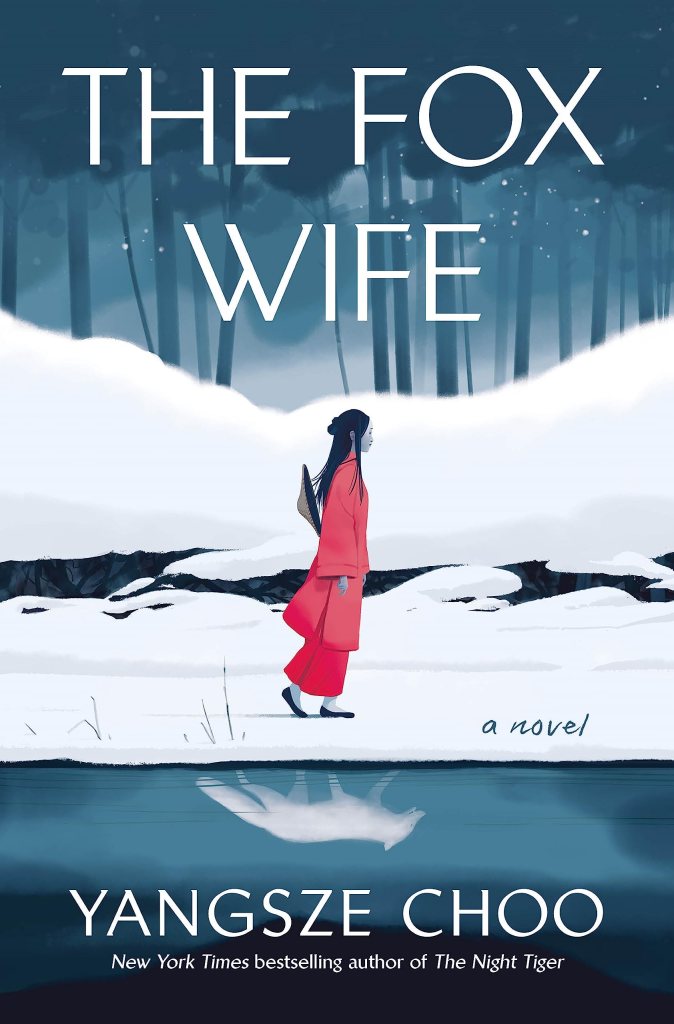
Perhaps you know this story: Late one evening, a beautiful woman comes knocking on an unsuspecting scholar’s door.
The Fox Wife by Yangsze Choo
So personally I find the opener for How to Solve Your Own Murder to be kind of “meh”, but if you read on you learn that this line was part of a fortune told to a young woman who believed wholeheartedly in her foretold doom. The opening line of The Parliament is just “meh” with no further qualifiers. It gives us a setting, sure, but that’s it.
The Waltham Murders is nonfiction, and the first line is about as attention-grabbing as they come. Butcher & Blackbird starts by letting you know the premise of the book in an amusing way, setting readers up for what to expect. But I think The Fox Wife has the best opening line of any of the novels I read in the month of February.
March’s books:

In an old wardrobe a djinn sits weeping.
The Djinn Waits a Hundred Years by Shubnum Khan
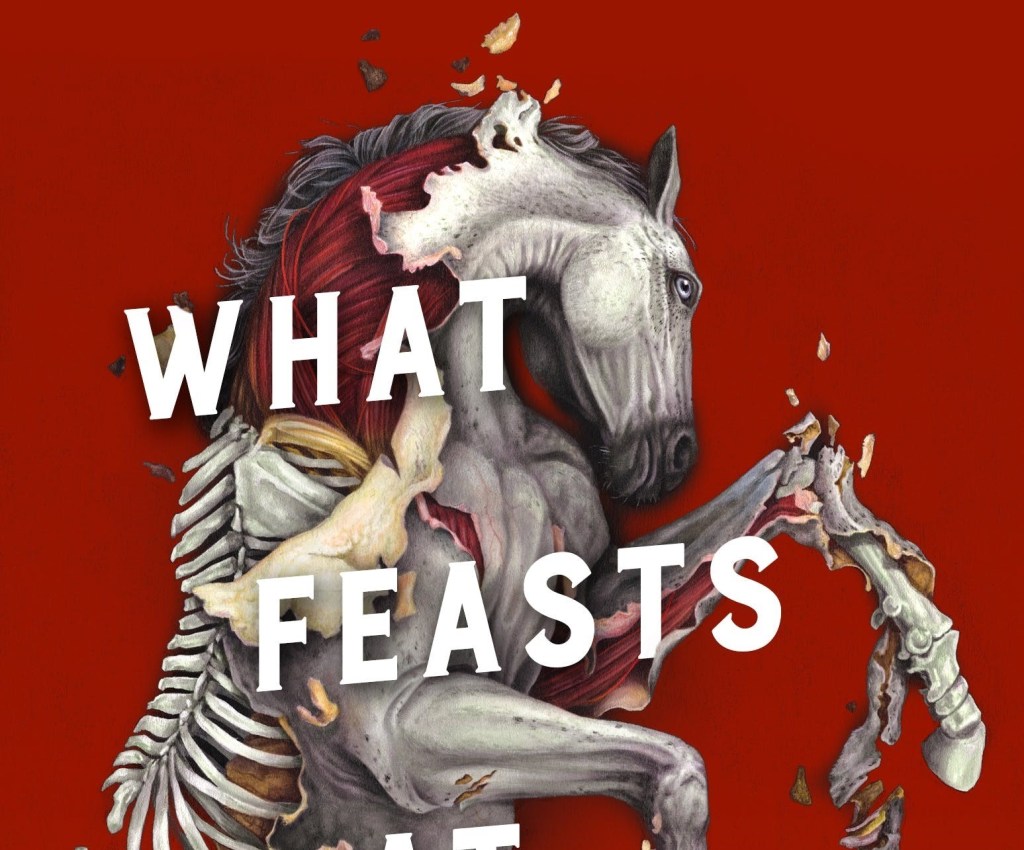
A poet once wrote that the woods of Gallacia are as deep and dark as God’s sorrow, and while I am usually skeptical of poets, I feel this one may have been onto something.
What Feasts at Night by T. Kingfisher
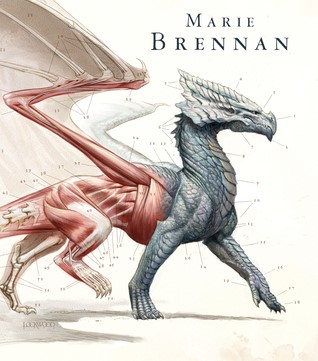
Not a day goes by that post does not bring me at least one letter from a young person (or sometimes one not so young) who wishes to follow in my footsteps and become a dragon naturalist.
A Natural History of Dragons by Marie Brennan

“Hey, Barbara, you got a hanging man in the Three-Four precinct.”
What the Dead Know by Barbara Butcher
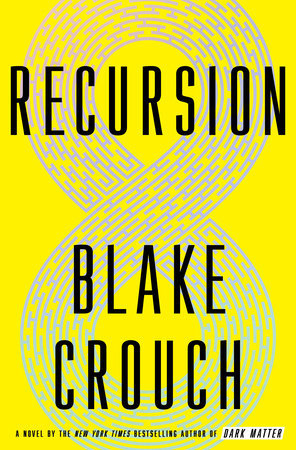
Barry Sutton pulls over into the fire lane at the main entrance of the Poe building, an Art Deco tower glowing white in the illumination of its exterior scones.
Recursion by Blake Crouch

In that time, I was called Brother Kellin of Cambrin, and I was an awful monk.
2024 High Caliber Awards (from the first entry, Mightier than the Pen by Kevin Harris)
The opening line of The Djinn Waits a Hundred Years is great: ooh, a djinn! Why is it weeping in a wardrobe?! The one for What Feasts at Night is also wonderful, really setting the tone; it’s also very “voicey” — this one is my favorite of the whole batch for month of March.
The first line of A Natural History of Dragons is pretty “meh”.
What the Dead Know is nonfiction about working as a death investigator in NYC, so I guess it gets straight to the point by opening with a dead body.
The opener for Recursion does absolutely nothing to grab the reader. But then we’re back in pretty great territory with Mightier than the Pen – amusing, plus now I want to hear more about what makes Kellin an awful monk.
What are your thoughts on these opening lines??

 Jessica Crawford